
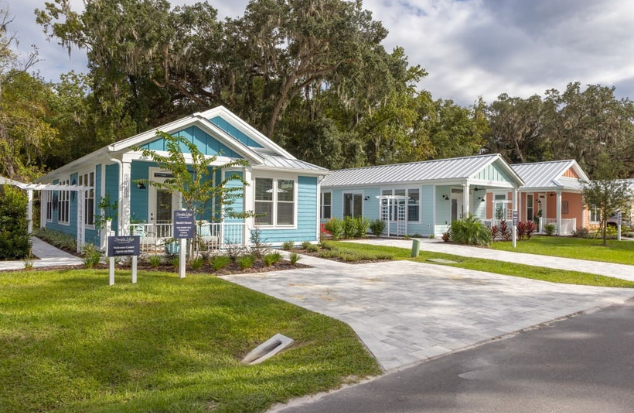

Tiny home communities are no longer a fringe idea or a passing trend. They have become a real housing option for people who want affordability, simplicity, and a stronger sense of connection with others. From retirees downsizing to young professionals escaping high rent, these communities offer a different way to think about space, ownership, and daily life.
At their core, tiny home communities are planned neighborhoods made up of small, efficient homes. These homes are usually under 400 square feet, though some are even smaller. What makes the concept appealing is not just the size of the houses, but the shared values behind them. People choose this lifestyle to reduce expenses, lower their environmental footprint, and focus more on experiences than possessions.
This guide takes a deep look at how tiny home communities work, why they are growing, what daily life feels like, and what to consider before joining one. If you are curious about alternative housing that balances independence with community living, you are in the right place.
What Are Tiny Home Communities?
Tiny home communities are residential developments designed specifically for small dwellings. These can include tiny houses on wheels, tiny houses on permanent foundations, park model homes, or small modular units. Unlike random clusters of tiny houses, these communities are intentionally planned with shared infrastructure and common spaces.
Most tiny home communities offer shared amenities such as community gardens, laundry facilities, walking paths, and gathering areas. Some also include coworking spaces, playgrounds, or communal kitchens. This shared design helps reduce costs and encourages social interaction among residents.
Another defining feature of tiny home communities is zoning compliance. Many individual tiny homes struggle with local zoning laws, but communities are often built in areas where small homes are permitted. This gives residents more legal stability and peace of mind compared to placing a tiny home on private land without clear approval.
Why Tiny Home Communities Are Growing in Popularity
One major reason tiny home communities are expanding is housing affordability. In many regions, traditional housing prices have outpaced income growth. Tiny homes cost significantly less to build, buy, or rent, making them an attractive option for people priced out of the conventional market.
There is also a cultural shift toward minimalism and intentional living. Many people are tired of maintaining large homes filled with unused items. Tiny home communities support a lifestyle that values efficiency, simplicity, and mindful consumption. Residents often report less stress and more financial freedom.
Environmental concerns also play a role. Smaller homes use fewer materials, require less energy to heat and cool, and often integrate sustainable features like solar panels and rainwater collection. For people who want greener living without sacrificing comfort, tiny home communities offer a practical solution.
“Living small doesn’t feel like giving something up. It feels like gaining time, freedom, and clarity.”
— Resident of a tiny home community in Oregon
Types of Tiny Home Communities You Can Find
Tiny home communities are not one-size-fits-all. They vary widely in structure, ownership models, and target residents. Some communities are rental-based, where residents lease both the home and the lot. Others allow homeowners to buy their tiny house and rent the land it sits on.
There are also cooperative models where residents jointly own the land and make decisions together. These tend to attract people interested in shared governance and long-term community building. On the other end, some communities are more like traditional RV parks with added amenities and aesthetic standards.
Age-specific tiny home communities are becoming more common as well. Some are designed for retirees seeking lower living costs and social engagement. Others cater to students, artists, or digital nomads. Understanding the type of community helps ensure a good lifestyle fit.
Daily Life Inside Tiny Home Communities
Life in tiny home communities often feels more connected than in traditional neighborhoods. Because homes are closer together and shared spaces are central, residents naturally interact more. Casual conversations, shared meals, and group projects become part of everyday life.
Privacy still exists, but it looks different. Tiny homes are compact, yet thoughtfully designed to maximize comfort. Many residents spend more time outdoors or in communal areas, which changes how they use personal space. This balance of solitude and social interaction is one of the most appealing aspects for many people.
Daily routines also tend to be simpler. Cleaning takes less time, utility bills are lower, and maintenance is minimal. This frees up time for hobbies, work, travel, or volunteering. Many residents say that tiny home communities help them focus on what actually matters.
Costs and Financial Considerations
One of the biggest draws of tiny home communities is cost savings, but it is important to understand the full financial picture. The price of a tiny home can range widely depending on size, materials, and customization. Some cost less than a car, while others rival small condos.
In addition to the home itself, residents usually pay monthly fees. These can include land rent, utilities, maintenance of common areas, and community services. While these fees are typically lower than traditional rent or mortgages, they vary by location and amenities.
Here is a simple comparison table to illustrate typical cost differences:
| Expense Category | Traditional Home | Tiny Home Community |
|---|---|---|
| Average purchase price | High | Low to moderate |
| Monthly utilities | High | Low |
| Maintenance costs | Moderate to high | Low |
| Property taxes | Higher | Lower or included |
| HOA or community fees | Varies | Common |
Understanding these costs upfront helps avoid surprises and ensures that tiny home communities truly align with your financial goals.
Legal and Zoning Challenges to Know About
Despite their growth, tiny home communities still face regulatory challenges. Zoning laws differ widely by city and state, and not all areas allow tiny homes as permanent residences. Some classify them as RVs, while others treat them as accessory dwelling units.
Established communities often handle these issues by working closely with local governments. This makes them a safer option than placing a tiny home on unapproved land. Still, rules can change, and residents should stay informed about local regulations.
If you are considering a specific location, it is wise to review zoning codes, building standards, and occupancy rules. Reputable tiny home communities are transparent about their legal status and happy to answer questions.
Social Benefits and Community Culture
One underrated advantage of tiny home communities is the social environment. Many residents move in seeking connection, and the design naturally encourages it. Shared gardens, workshops, and events foster collaboration and mutual support.
This sense of belonging can be especially valuable for people who feel isolated in traditional housing. Neighbors often help each other with small repairs, pet sitting, or emotional support. Over time, these interactions build trust and friendship.
Community culture does vary, though. Some communities are lively and social, while others prioritize quiet and privacy. Visiting and talking to current residents is the best way to understand the atmosphere before committing.
Environmental Impact and Sustainability
Tiny home communities are often associated with sustainable living, and for good reason. Smaller homes consume fewer resources during construction and operation. Many communities encourage or require eco-friendly practices.
Solar energy, composting, shared tools, and water-saving systems are common features. By sharing resources, residents reduce waste and lower their collective environmental impact. This makes tiny home communities appealing to environmentally conscious individuals.
That said, sustainability depends on execution. A poorly insulated tiny home or a car-dependent location can offset some benefits. Thoughtful planning and community guidelines make a significant difference.
“Our footprint is smaller, but our impact feels bigger because we’re intentional about how we live.”
— Community organizer, Arizona
Is This Lifestyle Right for You?
Tiny home communities offer many benefits, but they are not for everyone. Living in a small space requires discipline, adaptability, and a willingness to let go of excess belongings. It also means sharing space and decisions with others.
People who thrive in these communities often value experiences over possessions and enjoy social interaction. They are comfortable with compromise and open communication. For them, the rewards far outweigh the limitations.
Before making a move, it helps to spend time in a tiny home, visit communities, and reflect on your priorities. This lifestyle works best when it is a conscious choice rather than a financial necessity alone.
Conclusion
Tiny home communities represent a thoughtful response to modern housing challenges. They combine affordability, sustainability, and social connection in a way that traditional housing often struggles to achieve. By rethinking space and emphasizing community, they offer a path toward simpler and more intentional living.
As these communities continue to grow and evolve, they are likely to become an increasingly important part of the housing landscape. For those willing to embrace smaller spaces and shared values, tiny home communities can provide not just a place to live, but a meaningful way of life.
FAQ Section
What exactly are tiny home communities?
Tiny home communities are planned neighborhoods made up of small homes with shared amenities and infrastructure. They are designed to support efficient living and strong social connections.
Are tiny home communities affordable compared to regular housing?
In most cases, tiny home communities are more affordable due to lower home prices, reduced utilities, and shared resources. Costs still vary by location and services offered.
Can families live in tiny home communities?
Yes, some tiny home communities are family-friendly and include larger tiny homes or shared play areas. However, space limitations mean it works best for small households.
Do tiny home communities allow pets?
Many tiny home communities are pet-friendly, but rules differ. Some have size limits or breed restrictions, so it is important to check community guidelines.
Are tiny home communities legal everywhere?
No, legality depends on local zoning laws. Established tiny home communities usually operate in areas where small homes are permitted, offering more stability for residents.