
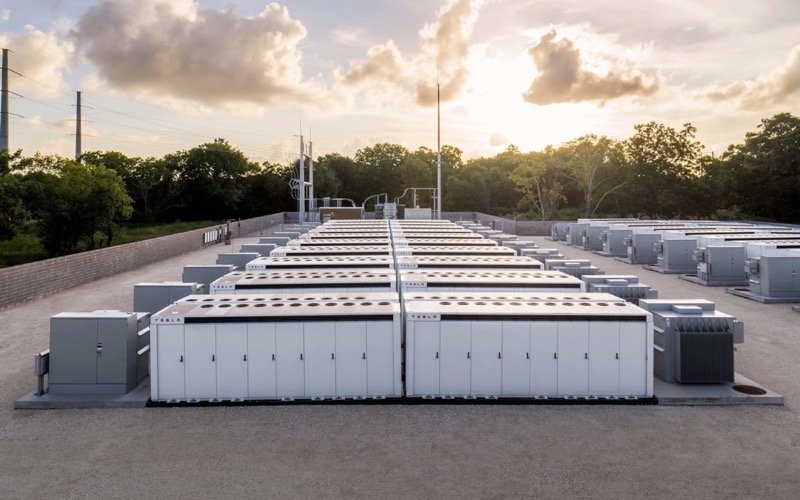

Tesla’s efforts in China are making headlines because the company isn’t just selling electric cars there. It’s now building a major battery project aimed at renewable energy development and grid support. The Tesla China battery project renewable energy initiative combines large‑scale battery manufacturing with energy storage solutions that help balance clean power sources like solar and wind. This move signals Tesla’s deeper commitment to energy beyond vehicles and highlights how renewable energy storage is becoming central to modern power systems.
Manufacturing batteries that help stabilize electricity grids is different from making car packs. These systems store excess energy when production is high and release it when there’s demand, reducing waste and enabling renewable energy to serve more homes and businesses. For China, a country already pushing hard on greening its electricity mix, the project brings cutting‑edge energy storage technology to a market that needs it.
What the Tesla China Battery Project Renewable Energy Means
The Tesla China battery project renewable energy focus centers around the production of Megapack units in Shanghai. Megapacks are utility‑scale battery systems designed to store large amounts of electricity and dispatch it when needed. Tesla’s new factory in Shanghai’s Lin‑gang area started producing Megapack units that can store about 40 gigawatt‑hours of energy annually, potentially enough to power tens of thousands of homes.
Battery storage is different from traditional power plants. Instead of generating electricity, these systems hold power generated elsewhere and then let it back into the grid. That’s especially useful for renewable energy, which can be intermittent. When solar panels or wind turbines produce more power than needed, the excess can be stored in batteries rather than wasted. This makes the entire electricity system more flexible, cleaner, and more reliable.
At its core, the Tesla China battery project renewable energy effort is about boosting clean energy adoption. With more storage capacity, China can make better use of its vast solar and wind resources. These batteries help avoid blackouts, reduce reliance on fossil fuel backup plants, and support a smoother transition to a low‑carbon grid.
Why China Matters for Renewable Energy and Tesla
China is already a global leader in renewable energy deployment. The country leads in solar panel installations and has massive wind resources. But all that renewable output creates a challenge: storage. Without enough storage capacity, renewable energy must be shut off when demand dips. Tesla’s Megapack battery production helps fix that problem, making it easier to integrate intermittent power sources into the main grid.
The Tesla China battery project renewable energy initiative also helps the company diversify in a market where it already builds and sells hundreds of thousands of electric vehicles. The Shanghai Megafactory is not just an EV plant. It now includes facilities that make energy storage batteries that serve the domestic market and countries across Asia‑Pacific.
China’s manufacturing ecosystem gives Tesla a strong advantage. The country leads the world in battery cell production and has major suppliers like CATL and BYD, which together produce a huge share of global battery output. Even as Tesla looks at other battery sources globally, China remains a pivotal part of its energy storage strategy.
How Megapacks Support Renewable Energy
Megapacks are designed to work with renewable energy systems. When solar panels generate excess midday power or wind turbines spin at night, that energy can be stored. Then, when demand rises, the battery systems dispatch electricity back to the grid. This smooths the ups and downs of renewable generation and makes wind and solar more dependable as primary energy sources.
Megapacks can also help reduce reliance on fossil fuel peaker plants. These plants only run when demand spikes and often use gas or coal. Battery systems, powered by clean energy, can meet the same demand without emissions or fuel costs. This is a powerful complement to renewable energy growth.
A key part of the Tesla China battery project renewable energy story is that storage capacity allows grid operators to plan better. Instead of worrying that wind and solar could destabilize the network, they can rely on batteries to fill in the gaps. That makes new renewable projects more affordable and easier to implement.
The Scale of Tesla’s Battery Manufacturing in China
Tesla’s Shanghai battery factory covers hundreds of thousands of square meters and was built quickly. Construction started in mid‑2024 and the factory began rolling out its first Megapack units in early 2025. The initial capacity aims at around 10,000 Megapacks per year, equal to about 40 GWh of storage.
That storage scale is impactful. With 40 GWh of annual capacity from just one plant, China gets a significant boost to its grid‑scale battery inventory. These are not small home units. They are industrial scale, made to serve utilities and large power purchasers.
In 2025, the factory also achieved another milestone: exporting some of these Megapack units overseas. For instance, the first batch produced in Shanghai sailed to Australia, showing how China is not just a domestic hub but part of Tesla’s global renewable energy strategy.
Quote About Renewable Energy Storage
“Battery systems like Tesla’s Megapack are not just storage. They are the backbone that lets more wind and solar on the grid without compromising reliability or cost.” — Energy Analyst Comment
This quote highlights how crucial storage technology is for the wider renewable energy transition. Without it, investments in wind and solar cannot reach their full potential.
How This Fits into China’s Broader Energy Goals
China plans to continue growing renewable energy and cutting carbon emissions. Storage capacity must grow too. That’s where battery projects like Tesla’s become necessary. China is expected to build significant energy storage in the coming years, and foreign partnerships help bring advanced technologies to local markets.
The Tesla China battery project renewable energy effort helps reduce waste, increase grid resilience, and support the shift away from coal and gas. At the same time, it aligns with China’s ambitions to lead global energy transitions and reduces pressures on traditional power systems.
Table: Tesla Megafactory Shanghai at a Glance
| Feature | Detail |
| Megapack Annual Capacity | ~40 GWh |
| Location | Shanghai, China |
| First Production | Q1 2025 |
| Export Markets | Asia Pacific (e.g., Australia) |
| Purpose | Utility‑scale battery storage |
Challenges and Opportunities
No project is without challenges. Building a massive energy storage manufacturing base requires supply chain support, consistent policy coordination, and utility integration. China’s battery supply ecosystem is competitive, and Tesla must navigate tariff and trade dynamics on both national and global fronts.
But the opportunity is significant. As renewable energy makes up a larger share of electricity generation, energy storage becomes indispensable. The Tesla China battery project renewable energy program positions Tesla to be a major player in that space, particularly as China both grows its own market and exports technologies abroad.
Conclusion
Tesla’s battery project in China is more than a factory. It’s part of a broader shift toward renewable energy and grid reliability. By producing Megapack batteries at scale, Tesla is helping transform how electricity is stored and used, enabling cleaner, more flexible power systems in China and beyond. As renewable energy continues to expand, projects like this show how critical energy storage has become for achieving climate and energy goals.
Frequently Asked Questions
What is the Tesla China battery project renewable energy initiative?
The Tesla China battery project renewable energy initiative is a large effort focused on building and operating a Gigafactory in Shanghai that manufactures Megapack battery systems. These units are designed to store renewable electricity and support grid reliability.
Why is the Tesla China battery project important for renewable energy?
This project is important because it provides large‑scale storage needed to integrate solar and wind power into the grid. It helps reduce wasted energy and boosts reliability, making renewable sources more viable.
How much energy can the Shanghai battery factory produce?
Tesla’s Shanghai Megafactory currently has a production capacity designed for around 40 GWh of energy storage annually, equivalent to thousands of Megapack units.
Are Megapacks exported from China?
Yes, the Shanghai Megafactory has exported Megapack units, including shipments to countries like Australia, reflecting China’s role in Tesla’s global renewable energy strategy.
How do batteries support renewable energy in China?
Batteries store excess energy generated by renewables and release it when needed, helping balance supply and demand. This supports the grid and makes wind and solar power more reliable.