
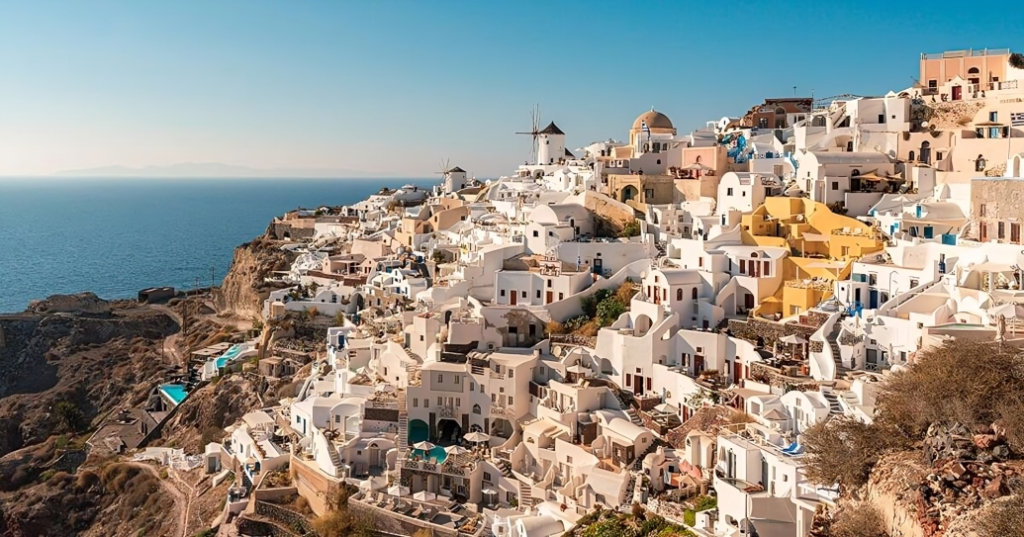

The phrase santorini mykonos tourism drop has been appearing more frequently in travel discussions, news headlines, and search trends. For decades, Santorini and Mykonos have symbolized Greek island perfection—whitewashed villages, blue-domed churches, luxury resorts, and postcard sunsets. So when people start talking about a tourism drop in these hotspots, it naturally raises eyebrows.
This article takes a deep, balanced look at the santorini mykonos tourism drop, explaining what it means, why it’s happening, and how it could reshape travel to Greece. Instead of alarmist takes, you’ll get clear context, expert-style insights, tables, quotes, and practical takeaways. Whether you’re a traveler, tourism professional, or simply curious, this guide helps you understand the situation without hype or confusion.
What Does Santorini Mykonos Tourism Drop Really Mean?
When people hear about a santorini mykonos tourism drop, they often imagine empty streets and abandoned hotels. In reality, the situation is more nuanced. A tourism drop usually refers to a noticeable slowdown in visitor growth, shorter stays, or fewer high-spending travelers compared to previous peak seasons.
Santorini and Mykonos are not suddenly unpopular. They remain among the most recognized island destinations in the world. However, compared to record-breaking years, recent travel patterns show signs of adjustment. These changes reflect broader global tourism shifts rather than a complete decline in interest.
Understanding the phrase correctly is important. A tourism drop doesn’t always mean failure. Sometimes, it signals a transition toward more sustainable, balanced travel rather than nonstop overcrowding.
Why Santorini and Mykonos Became Overcrowded Icons
To understand the santorini mykonos tourism drop, it helps to look at how these islands reached peak popularity. Over the years, social media, cruise tourism, celebrity visits, and luxury branding turned Santorini and Mykonos into global travel icons.
This visibility came with challenges. Peak seasons brought extreme crowding, rising prices, strained infrastructure, and concerns about quality of life for residents. While tourism revenue soared, visitor experience sometimes suffered due to congestion and limited availability.
Ironically, this overexposure played a role in today’s tourism slowdown. Travelers who once dreamed of these islands began looking for quieter, less crowded alternatives.
Key Factors Behind the Santorini Mykonos Tourism Drop
Several interconnected factors explain the santorini mykonos tourism drop. One major reason is rising travel costs. Accommodation, dining, and transportation on these islands have become significantly more expensive, pushing budget-conscious travelers elsewhere.
Another factor is changing traveler preferences. Many modern tourists now prioritize authenticity, sustainability, and off-the-beaten-path experiences. While Santorini and Mykonos are beautiful, some visitors feel they’ve become overly commercialized.
Global uncertainty also plays a role. Economic pressure, travel disruptions, and shifting work patterns influence how and where people travel. These broader forces affect even the most famous destinations.
Changing Travel Trends and New Greek Alternatives
The santorini mykonos tourism drop doesn’t mean people are avoiding Greece altogether. Instead, travelers are redistributing their interest across lesser-known islands and mainland destinations. Places like Paros, Naxos, Milos, and Crete are gaining popularity for offering beauty without overwhelming crowds.
These alternatives provide similar experiences—clear waters, charming villages, and rich culture—often at more reasonable prices. As a result, Greece’s overall tourism remains strong, even if Santorini and Mykonos experience slower growth.
This shift suggests a healthier tourism ecosystem. Rather than concentrating millions of visitors in two islands, travel demand spreads more evenly across the country.
Table: Comparing Traditional Hotspots and Emerging Alternatives
| Aspect | Santorini & Mykonos | Emerging Greek Destinations |
|---|---|---|
| Crowds | Very high in peak season | Moderate to low |
| Prices | Premium to luxury | More affordable |
| Social Media Exposure | Extremely high | Growing |
| Authenticity Feel | Mixed | Strong |
| Sustainability Pressure | High | Lower |
This comparison highlights why the santorini mykonos tourism drop is tied more to redistribution than disappearance of demand.
Impact on Local Businesses and Communities
The tourism slowdown affects more than visitor numbers. For local businesses, the santorini mykonos tourim drop can mean fewer bookings, shorter seasons, and more competition. Luxury hotels may still perform well, but mid-range businesses often feel the shift more sharply.
At the same time, some residents welcome the change. Reduced crowd pressure can improve daily life, protect natural resources, and restore balance. Many locals have long called for more sustainable tourism models.
This dual impact shows why the tourism drop is not purely negative. It opens conversations about long-term planning and quality over quantity.
Quotes Reflecting the Tourism Shift
“Overtourism didn’t disappear—it taught travelers to look elsewhere.”
“A tourism drop in famous places often means opportunity for lesser-known ones.”
“Santorini and Mykonos aren’t losing appeal; they’re losing excess.”
These quotes capture the evolving perspective around the santorini mykonos toursm drop and why it’s not a simple decline story.
How the Tourism Industry Is Responding
Tourism authorities and businesses are actively responding to the santorini mykonos touism drop. Strategies include promoting off-season travel, improving visitor flow management, and investing in infrastructure that supports sustainability.
There is also a push to highlight cultural depth rather than just Instagram visuals. Food tourism, history-focused experiences, and eco-friendly activities are gaining emphasis. These efforts aim to attract travelers seeking meaning rather than just photos.
Long term, this approach may strengthen the islands’ reputations rather than weaken them.
What the Tourism Drop Means for Travelers
For travelers, the santorini mykonos tourim drop can actually be good news. Slightly fewer crowds can mean better experiences, easier reservations, and a more relaxed atmosphere. Off-peak visits become more attractive and rewarding.
Prices may stabilize or become more competitive in certain periods. Travelers willing to plan smartly can enjoy iconic destinations with fewer downsides than before.
In other words, the tourism drop doesn’t eliminate appeal—it reshapes it.
Related Keywords and Search Interest
Searches related to santorini mykonos toursm drop often include Greece tourism trends, Santorini travel decline, Mykonos visitor numbers, overtourism Greece, and Greek island alternatives. These related terms show that users are looking for explanation, not panic.
Content that provides context, nuance, and forward-looking insight tends to rank better and earn reader trust.
Conclusion: A Reset, Not a Collapse
The santorini mykonos tourism drop is best understood as a reset rather than a collapse. These islands remain world-class destinations, but travel habits are changing. Visitors want balance, authenticity, and value—and Greece is adapting to meet those expectations.
This shift may ultimately benefit everyone: travelers enjoy better experiences, locals regain balance, and the tourism industry moves toward sustainability. Santorini and Mykonos are not fading; they are evolving.
Frequently Asked Questions About Santorini Mykonos Tourism Drop
What does santorini mykonos tourism drop actually refer to?
Santorini mykonos tourism drop refers to a slowdown in visitor growth or demand compared to peak years, not a complete absence of tourists.
Are Santorini and Mykonos no longer popular?
No. Despite the santorini mykos tourism drop discussions, both islands remain highly popular, especially during peak travel seasons.
Why are travelers choosing other Greek islands?
Many travelers seek fewer crowds, lower prices, and more authentic experiences, contributing to the santorini mykonos tourism drop while boosting other destinations.
Does the tourism drop affect local businesses?
Yes, some businesses feel the impact, but others benefit from improved sustainability and more balanced tourism flow.
Is the santorini mykonos tourism drop permanent?
Most signs suggest it’s a temporary adjustment driven by changing travel trends rather than a permanent decline.