
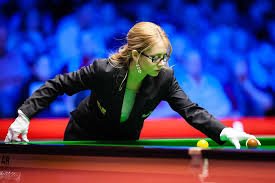

Snooker has long been viewed as a traditional sport with deep roots in British clubs and global championships. While the players often receive the spotlight, the officials who maintain fairness and integrity are just as important. In recent decades, female snooker referees have stepped confidently into this space, proving that skill, authority, and precision are not defined by gender. Their presence has transformed the professional scene and inspired a new generation of women to pursue careers in cue sports.
The rise of female snooker referees reflects broader cultural changes in sport. As tournaments expand across continents and audiences grow online, governing bodies have embraced diversity and inclusion. Today, women officiate major ranking events, world championships, and televised matches with professionalism that earns respect from players and fans alike. Their journey has not always been easy, but their impact is undeniable.
The Evolution of Women in Snooker Officiating
For many years, refereeing in professional snooker was dominated by men. Traditional structures and limited opportunities kept women on the sidelines. However, as the sport modernized under organizations such as World Snooker Tour and World Professional Billiards and Snooker Association, training pathways became more accessible. This shift allowed talented officials from diverse backgrounds to enter the field.
The emergence of female snooker referees in televised events marked a turning point. Audiences began to see women confidently controlling matches at the highest level. Their calm presence during tense frames challenged outdated stereotypes and reinforced the idea that officiating is about knowledge, composure, and decision-making rather than physical presence. As more tournaments embraced inclusivity, the number of qualified female referees steadily increased.
Notable Female Snooker Referees Who Made History
One of the most recognized names in the sport is Michaela Tabb. She became the first woman to referee a World Championship final at the World Snooker Championship. Her performance demonstrated exceptional control and professionalism under immense global scrutiny. Tabb’s achievement opened doors and changed perceptions worldwide.
Another influential figure is Desislava Bozhilova, who has officiated at Triple Crown events and earned widespread praise for her precision and authority. Officials like Tatiana Woollaston and Maike Kesseler have also become respected names on the tour. Each of these professionals has strengthened the reputation of female snooker referees through consistent excellence on the table.
Their journeys highlight how representation matters. When viewers see women handling high-stakes matches with confidence, it reshapes expectations and encourages more young women to consider officiating as a serious career path.
Training, Skills, and Qualifications Required
Becoming a snooker referee requires more than simply knowing the rules. Officials must master complex regulations, scoring systems, and situational judgments. Governing bodies provide structured training programs that include written examinations and practical assessments. Aspiring referees often begin at local tournaments before progressing to national and international levels.
Female snooker referees undergo the same rigorous certification processes as their male counterparts. Precision in spotting balls, maintaining concentration during long frames, and communicating clearly with players are essential skills. Referees also need emotional control. In high-pressure matches where prize money and rankings are at stake, maintaining authority without escalating tension is critical.
Below is a simple overview of core competencies required in professional officiating:
| Skill Area | Description | Importance Level |
|---|---|---|
| Rule Knowledge | Deep understanding of snooker regulations | Essential |
| Concentration | Sustained focus during long matches | Essential |
| Communication | Clear, calm interaction with players | High |
| Physical Stamina | Ability to stand and move for hours | High |
| Decision Accuracy | Quick and fair rulings | Essential |
This structured approach ensures that female snooker referees meet global standards and uphold the integrity of every match they oversee.
Challenges Faced by Female Officials
Despite progress, female snooker referees have faced obstacles. Early pioneers often encountered skepticism from traditionalists who doubted their authority. Media attention sometimes focused more on appearance than performance, which created additional pressure. Over time, consistent professionalism helped shift that narrative.
Travel demands also present challenges. The professional snooker calendar spans multiple countries, requiring extended periods away from home. Balancing personal life with an international career can be demanding. However, many officials speak about the pride they feel representing their countries and contributing to the sport’s growth.
As one respected referee once noted, “Authority comes from preparation and confidence, not from who you are.” This mindset has guided many women in the sport to push past barriers and prove their capability at the highest level.
Impact on Gender Equality in Sports
The visibility of female snooker referees extends beyond cue sports. Their success contributes to wider discussions about gender equality in athletics. When governing bodies showcase diverse officiating teams, it signals commitment to fairness both on and off the table.
Younger audiences now grow up seeing women officiate major matches without surprise. That normalization is powerful. It encourages girls to explore roles in sports management, coaching, and officiating. Representation influences career aspirations, and the consistent presence of female officials has created a positive ripple effect.
The shift has also influenced tournament culture. Professional standards now emphasize merit-based selection. Referees are appointed based on experience and skill rather than gender. This merit-driven approach benefits the sport as a whole.
Media Coverage and Public Perception
Television and online streaming platforms have expanded snooker’s global reach. High-definition broadcasts showcase every detail, including referee decisions. As female snooker referees became regular fixtures in major tournaments, public perception evolved. Viewers began recognizing names and appreciating the expertise involved in officiating.
Commentators often highlight the professionalism and accuracy of officials during key moments. Positive media portrayal reinforces credibility and builds trust among fans. Social media has also played a role, allowing referees to connect directly with audiences and share insights about their careers.
While occasional criticism remains part of sports culture, the broader narrative surrounding female snooker referees is increasingly supportive. Fans value competence and fairness above all else, and consistent performance earns respect regardless of gender.
Opportunities for the Next Generation
Grassroots programs and referee academies now actively encourage women to join officiating pathways. National federations offer mentorship initiatives where experienced officials guide newcomers through early tournaments. These programs create supportive networks that were less accessible in the past.
The growth of women’s snooker competitions further strengthens opportunities. With expanding events and sponsorship deals, the demand for qualified referees continues to rise. Female snooker referees now have clearer career trajectories, from local club matches to global championships.
The long-term outlook appears promising. As diversity becomes standard practice in professional sport, officiating roles will likely reflect the broad audience that snooker attracts worldwide.
Conclusion
The journey of female snooker referees illustrates resilience, professionalism, and steady progress. From early skepticism to leading world championship finals, women have firmly established their place in professional officiating. Their presence enhances the sport’s credibility and reflects modern values of equality and merit.
As training systems expand and representation grows, the influence of female snooker referees will continue shaping the future of cue sports. They are not simply participants in the game’s evolution. They are central figures in its ongoing story, ensuring fairness, precision, and integrity at every level.
FAQ Section
What qualifications are required to become female snooker referees?
To join the professional circuit, female snooker referees must complete official training programs through recognized governing bodies. This includes written rule examinations, practical assessments, and supervised tournament experience. Progression typically starts at local competitions before advancing to national and international events. Certification standards are identical for men and women, ensuring fairness and consistency.
Have female snooker referees officiated World Championship finals?
Yes, female snooker referees have made history by overseeing major finals, including the prestigious World Snooker Championship. Their appointments are based on merit, experience, and proven ability to handle high-pressure matches. These milestones have significantly boosted visibility and credibility for women in officiating roles.
What challenges do female snooker referees face today?
While acceptance has improved, female snooker referees may still encounter outdated perceptions or intense media scrutiny. The demanding travel schedule of international tournaments can also be challenging. However, strong support networks and growing inclusivity within the sport continue to reduce these barriers.
How are female snooker referees selected for major tournaments?
Selections are typically made by governing bodies such as the World Snooker Tour based on performance reviews, experience, and consistency. Female snooker referees are evaluated through the same criteria as male officials, focusing strictly on professionalism and decision accuracy.
Why are female snooker referees important for the future of the sport?
Female snooker referees play a vital role in promoting equality and inspiring future generations. Their visibility demonstrates that officiating careers are open to everyone with dedication and skill. As more women enter the field, the sport benefits from broader perspectives and stronger representation.