
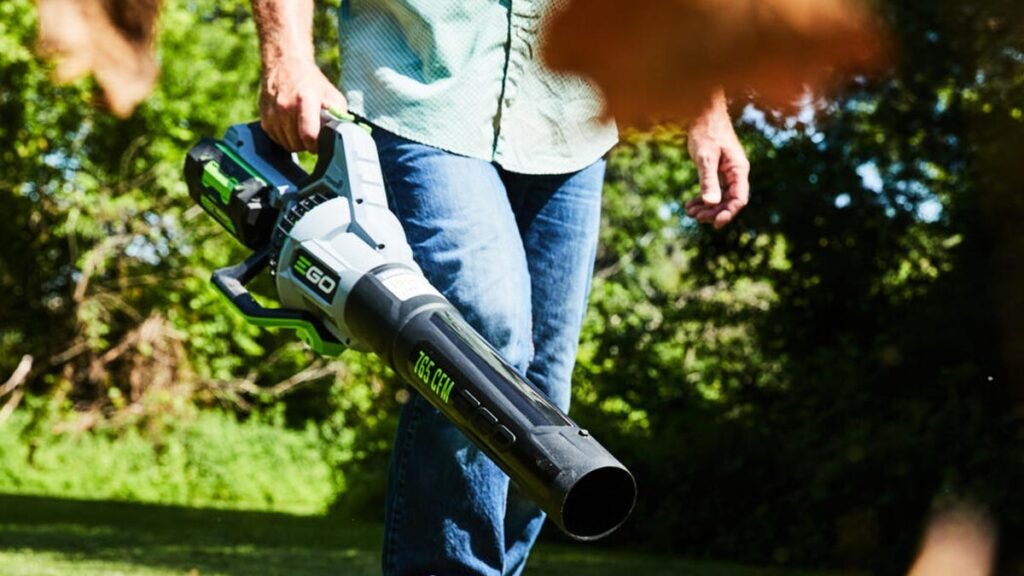

The blowers are powerful machines used in homes, workshops, factories, and outdoor spaces for moving air or gas efficiently. From cleaning leaves in the garden to improving industrial ventilation, the blowers play a major role in modern life. These machines are designed to create strong airflow, making difficult tasks much easier and faster.
Many people use the blowers daily without fully understanding how they work or why different types exist. Some are built for heavy industrial use, while others are lightweight and portable for household tasks. Because of their versatility, the blowers continue to grow in popularity across many industries.
“A quality blower can save time, improve efficiency, and reduce physical effort in both residential and industrial settings.”
The demand for energy-efficient and durable blowers has increased over the years. Businesses now rely heavily on advanced air-moving systems to maintain productivity and workplace safety. At the same time, homeowners appreciate compact models that help with cleaning and ventilation tasks.
Understanding the Blowers and How They Work
The blowers operate by increasing the speed of air through rotating components such as impellers or fans. The airflow created by these systems is directed toward a specific area to perform a task efficiently. Unlike standard fans, blowers produce concentrated air pressure, which makes them more effective for demanding applications.
Most blowers work using electric motors or fuel-powered engines. As the motor spins the internal blades, air is pulled into the unit and pushed out at high speed. This simple but effective mechanism allows the blowers to handle everything from dust removal to industrial cooling.
There are several airflow technologies used in modern blowers. Some units are designed for low-pressure, high-volume airflow, while others focus on high-pressure delivery for industrial systems. Choosing the correct design depends on the intended purpose and work environment.
The performance of the blowers is often measured by airflow capacity, pressure level, and energy efficiency. These factors directly affect how well the machine performs over time. Buyers should always compare specifications before purchasing a model.
Common Types of the Blowers
The blowers come in many forms, and each type serves a specific purpose. Understanding these categories helps buyers select the right equipment for their needs.
| Type of Blower | Main Use | Power Source | Best For |
|---|---|---|---|
| Centrifugal Blower | Industrial airflow | Electric | Factories |
| Leaf Blower | Outdoor cleaning | Gas/Battery | Gardens |
| Axial Blower | Ventilation | Electric | Cooling systems |
| Portable Blower | Quick cleaning | Battery | Home use |
| Industrial Air Blower | Heavy-duty airflow | Electric/Diesel | Warehouses |
Centrifugal blowers are commonly used in industrial environments because they generate high air pressure. These systems are ideal for ventilation, dust collection, and air filtration systems. Their durable construction makes them suitable for continuous operation.
Leaf blowers are among the most recognized consumer products. Homeowners use them to remove leaves, dirt, and debris from outdoor spaces quickly. Battery-powered models are becoming more popular because they produce less noise and require less maintenance.
Axial blowers are designed to move large amounts of air with lower pressure. They are often installed in HVAC systems, cooling towers, and ventilation setups. These machines help maintain proper airflow inside buildings and industrial facilities.
Portable blowers are compact and lightweight. They are ideal for garages, workshops, and small cleaning tasks. Many professionals prefer portable models because they are easy to carry and store.
Benefits of Using the Blowers
The blowers provide several advantages across residential and industrial environments. Their ability to improve efficiency and reduce manual labor makes them highly valuable tools.
One major benefit is time savings. Tasks that would normally require hours of sweeping or cleaning can be completed within minutes using the blowers. This efficiency is especially useful in large outdoor spaces and industrial settings.
Another advantage is improved cleanliness. The blowers help remove dust, leaves, and debris from hard-to-reach areas. This contributes to safer and more organized workspaces.
The blowers also improve ventilation in enclosed environments. Proper airflow reduces heat buildup, removes harmful particles, and creates a healthier atmosphere for workers and residents.
Energy efficiency is another reason many people invest in modern blowers. Manufacturers now design machines that provide strong airflow while consuming less electricity or fuel. This reduces operating costs over time.
Industrial Applications of the Blowers
The blowers play a critical role in industrial operations around the world. Factories, power plants, warehouses, and manufacturing units depend on these machines for smooth operation.
Industrial ventilation systems use blowers to circulate air and remove contaminants. Without proper airflow, workplaces can become unsafe due to heat, smoke, or dust accumulation. Reliable ventilation supports employee comfort and productivity.
In manufacturing facilities, the blowers are used in drying processes, pneumatic conveying systems, and combustion support. Their ability to deliver controlled airflow improves process efficiency and product quality.
The food processing industry also uses industrial blowers extensively. These systems help with cooling, packaging, drying, and maintaining sanitary conditions. Consistent airflow is essential for meeting safety standards.
Automotive workshops rely on the blowers for paint drying and ventilation. Construction sites also use heavy-duty air blowers to remove dust and improve air circulation in confined areas.
Household Uses of the Blowers
The blowers are not limited to industrial environments. Many households use these machines for daily cleaning and maintenance tasks.
Garden cleaning is one of the most common uses. Instead of manually raking leaves, homeowners can quickly clear driveways, lawns, and sidewalks using leaf blowers. This saves both time and effort.
Portable blowers are useful for cleaning garages, workshops, and vehicles. They can remove dust from corners and hard-to-reach spaces where traditional cleaning tools may struggle.
Some homeowners also use the blowers to improve ventilation in small spaces. Air circulation helps reduce moisture buildup and keeps rooms feeling fresh during warm weather.
Modern cordless blowers have become especially popular because they offer convenience and mobility. Battery technology continues to improve, allowing users to operate these machines for longer periods without interruption.
Features to Look for When Buying the Blowers
Choosing the right blower requires careful consideration. Different models offer unique features designed for specific tasks.
Airflow power is one of the most important factors. Higher airflow capacity usually means better performance, especially for outdoor cleaning or industrial applications. Buyers should check the CFM rating before purchasing.
Noise level is another important feature. Some blowers can be extremely loud, particularly gas-powered units. Battery-operated models are generally quieter and more suitable for residential neighborhoods.
Weight and portability also matter. Lightweight machines reduce user fatigue and are easier to maneuver during extended use. Portable models are ideal for homeowners and small businesses.
Durability should never be overlooked. High-quality materials and reliable motors ensure the blowers can withstand regular use without frequent repairs.
Additional features such as adjustable speed settings, ergonomic handles, and rechargeable batteries can improve user comfort and convenience significantly.
Maintenance Tips for the Blowers
Proper maintenance helps extend the lifespan of the blowers and ensures consistent performance. Neglecting maintenance can lead to reduced airflow, overheating, and expensive repairs.
Cleaning the air filters regularly is one of the simplest but most important tasks. Dirty filters restrict airflow and force the motor to work harder than necessary.
Users should inspect the blades or impellers for debris buildup. Any obstruction can reduce efficiency and create unnecessary strain on the motor.
Lubricating moving components helps reduce friction and wear. This is especially important for industrial blowers that operate continuously for long periods.
Battery-powered blowers require proper charging practices. Overcharging or storing batteries incorrectly can shorten battery life significantly.
It is also important to store the blowers in a dry environment. Moisture exposure can damage electrical components and lead to corrosion over time.
Energy Efficiency and Modern Technology
Modern blowers are becoming smarter and more energy efficient. Manufacturers are investing heavily in technologies that reduce power consumption while maintaining strong performance.
Variable speed controls allow users to adjust airflow based on the task. This reduces unnecessary energy use and extends motor life. Smart control systems are especially common in industrial equipment.
Battery technology has improved dramatically in recent years. Lithium-ion batteries now provide longer runtime and faster charging compared to older battery designs.
Some industrial blowers include automated monitoring systems. These systems track airflow performance, energy usage, and maintenance requirements in real time.
Eco-friendly designs are also becoming more common. Many companies now prioritize low-emission and low-noise equipment to meet environmental regulations and customer expectations.
Safety Tips When Using the Blowers
Using the blowers safely is essential for preventing injuries and equipment damage. Even small portable units can create strong airflow capable of moving debris at high speed.
Users should always wear protective eyewear when operating outdoor blowers. Dust and small particles can become airborne quickly and cause eye injuries.
Hearing protection is recommended when using loud models, especially gas-powered machines. Extended exposure to high noise levels may affect hearing health.
Loose clothing should be avoided during operation. Moving components can catch fabric and create dangerous situations.
The blowers should never be directed toward people or animals. Strong airflow can cause discomfort or injury if used carelessly.
Before using electrical blowers outdoors, users should inspect cords and connections carefully. Damaged wiring increases the risk of electrical hazards.
Why the Blowers Continue to Grow in Popularity
The popularity of the blowers continues to rise because they provide practical solutions for both simple and complex tasks. Their efficiency, convenience, and versatility make them valuable tools in many environments.
Homeowners appreciate how quickly these machines handle outdoor cleaning tasks. Businesses value their ability to improve airflow and maintain productivity in demanding workspaces.
Technological advancements have also contributed to growing demand. Modern blowers are quieter, lighter, and more energy efficient than older models. These improvements make them more appealing to a wider audience.
As industries continue to prioritize workplace safety and efficiency, the need for reliable airflow systems will likely increase. The blowers remain essential equipment across countless sectors worldwide.
Conclusion
The blowers have become an important part of modern residential and industrial life. From maintaining clean outdoor spaces to supporting large-scale ventilation systems, these machines provide reliable airflow solutions for many applications.
Understanding the different types, features, and maintenance requirements helps users choose the right equipment for their specific needs. Whether you need a compact household model or a heavy-duty industrial unit, the blowers offer excellent efficiency and convenience.
As technology continues to evolve, modern blowers are becoming smarter, quieter, and more energy efficient. Their growing popularity shows how valuable these machines have become in everyday life and professional environments alike.
FAQ About the Blowers
What are the blowers mainly used for?
The blowers are mainly used for moving air efficiently in cleaning, ventilation, cooling, and industrial applications. They help remove debris, improve airflow, and support many industrial processes.
Are battery-powered blowers better than gas-powered models?
Battery-powered blowers are quieter, lighter, and easier to maintain. Gas-powered models usually provide stronger airflow for heavy-duty outdoor tasks. The best option depends on your specific needs.
How often should the blowers be maintained?
The blowers should be inspected and cleaned regularly. Filters, blades, and motors should be checked every few weeks during heavy use to maintain peak performance.
Can the blowers be used indoors?
Yes, many portable and axial blowers are suitable for indoor use. They are commonly used for ventilation, cooling, and dust removal in workshops, garages, and industrial buildings.
What should I consider before buying the blowers?
Before purchasing the blowers, consider airflow capacity, power source, noise level, portability, durability, and energy efficiency. Choosing the right features ensures better performance and long-term value.