
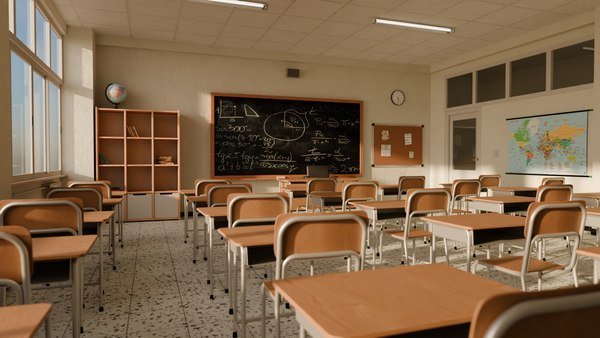

Today’s education landscape demands flexibility, innovation, and inclusivity. One concept gaining traction among educators, architects, and administrators is classroom 30x. It represents more than a standard room size or a rule of thumb. It captures an approach to learning spaces that is adaptable, future-ready, and centered on student engagement. In this article, we’ll dig deep into classroom 30x, why it matters, how it can be achieved, and what it means for the future of education.
What Is Classroom 30x and Why It Matters
When most people hear classroom 30x, they think of size first. In its simplest form, it refers to a classroom dimension set that roughly aligns with 30 feet in one direction, often meaning 30 feet by 30 feet. But the significance of classroom 30x goes deeper than measurements. It’s about how space, technology, and learning needs come together.
Classroom 30x has become a benchmark because it balances size with utility. Schools are trying to move away from cramped, one-dimensional rooms to environments where students can collaborate, move freely, and access resources without constraint. When designed well, a classroom 30x space supports modern teaching techniques, including group work, independent study, presentations, and creative activities.
The concept matters because education is no longer about passive listening. Students engage with digital tools, collaborate with peers, and explore subjects in ways that require space and flexibility. Classroom 30x is about preparing environments that support that reality.
The Core Elements of Effective Classroom 30x Design
Designing a classroom around the classroom 30x idea involves understanding student behavior, educational goals, and physical movement. Too often, traditional classrooms focus on rows of desks facing a teacher-centered front. Classroom 30x turns this idea on its head.
First, it prioritizes space for movement. Students can shift between group areas, quiet zones, and technology stations without disruption. This fluidity supports different modes of learning throughout the day. Second, classroom 30x emphasizes flexible furniture. Tables and chairs that can be rearranged, stored, or adapted make the space feel alive rather than fixed.
Technology integration is also essential. A classroom 30x environment should have clear lines of sight to screens and smart boards, plenty of outlets for devices, and wireless connectivity that can handle multiple simultaneous users. Teachers no longer teach from a podium alone, and students no longer learn only from textbooks. Classroom 30x supports all of that.
Planning Classroom 30x for Different Age Groups
Not all learners use space in the same way. A kindergarten class will have very different needs from a high school chemistry class. With classroom 30x, adaptability is key.
In early education settings, the focus of classroom 30x should be on open areas for play and exploration. Younger students benefit from sensory corners, low shelves, and floor seating options. Space within classroom 30x design must accommodate movement without feeling overwhelming. Storage and visual cues help younger students navigate their environment with confidence.
For middle and high school learners, classroom 30x supports project-based work. Science labs, art projects, and literature discussions all need space for different kinds of activity. Movable walls or partitions within classroom 30x zones allow teachers to create smaller discussion circles or larger collaborative spaces as needed. Adults learn too, and classroom 30x in higher education or professional settings translates into spaces that guide focus without feeling rigid.
Technology Integration Within Classroom 30x
Technology is no longer optional in education. Classroom 30x embraces this by supporting digital tools at every turn. Whether it’s individual tablets, interactive whiteboards, or group screens for collaborative work, technology plays a central role.
A classroom 30x setup should consider sightlines and accessibility for screens and devices. Charging stations integrated into furniture, high-quality wireless connectivity, and device management tools help educators keep technology in play without distraction. Technology within classroom 30x isn’t about having the latest gadget. It’s about creating a stable, intuitive environment where tools aid learning instead of obstructing it.
Students learn differently. Some prefer digital text, others enjoy hands-on activities, and many need blended approaches. Classroom 30x supports all these needs when technology and space work together.
Furniture and Layout Best Practices for Classroom 30x
One of the biggest misconceptions about classroom 30x is that bigger is automatically better. It’s not about having more square feet. It’s about how those square feet are used.
Flexible, lightweight furniture is the backbone of classroom 30x layouts. Tables that fold, chairs that stack, and seating options that range from stools to cushions all help create dynamic environments. When furniture can be rearranged within classroom 30x parameters, educators can shift from lecture mode to group work in minutes.
Zoning is another smart tactic. Use rugs or floor markings to designate areas for quiet work, discussions, or technology use. Wall-mounted shelves and pegboards help keep resources organized while maximizing usable space. Within a classroom 30x design, every inch counts. Intelligent storage, clear pathways, and adjustable furniture make transitions smooth and encourage students to take ownership of their environment.
Acoustics, Lighting, and Air Quality in Classroom 30x
Space design isn’t just about desks and screens. A great classroom 30x environment also considers comfort. Acoustics play a big role. Without proper sound control, collaborative work becomes noisy and distracting. Soft furnishings, acoustic panels, and thoughtful layout can reduce echoes while maintaining an open feel.
Lighting is equally significant. Natural light is ideal, but it’s not always possible. A classroom 30x setup should use layered lighting: bright overhead lights for general visibility, task lights for focused work, and dimmable options for presentations or reflection. Good lighting reduces eye strain and keeps students alert throughout the day.
Air quality is sometimes overlooked but hugely impactful. A classroom 30x space that circulates fresh air and controls temperature helps students focus and feel comfortable. Plants, ventilation systems, and breathable materials contribute to a healthier learning environment.
Classroom 30x and Collaborative Learning
Collaboration is at the heart of modern education. Classroom 30x encourages partnerships, small group discussions, and team-based projects. With space that supports movement and flexible work areas, students naturally engage with one another.
In a traditional classroom, collaboration often feels forced or limited. With classroom 30x, it becomes organic. Students can gather around a shared screen, record podcasts in a corner, or brainstorm on movable whiteboards. Each zone within classroom 30x becomes a hub for a different type of interaction.
But collaboration is more than space. It’s also about how educators structure activities. Group roles, shared goals, and peer assessments all benefit from a setting where physical space matches mental engagement. Classroom 30x helps make learning social, authentic, and joyful.
Challenges and Solutions Facing Classroom 30x Implementation
No educational shift is without challenges. Implementing classroom 30x requires thoughtful planning, budget considerations, and teacher training. Many schools face tight funding, and redesigning spaces can feel daunting.
The solution often lies in incremental changes. Schools can start with movable furniture, adjust a corner for collaboration, or update a technology hub within their existing classroom 30x area. Over time, improvements add up. Partnerships with donors, grants, and community support can help accelerate changes in larger facilities.
Teachers are central to success. A classroom 30x environment can fall flat if educators aren’t supported with training and time to explore new approaches. Professional development and collaboration among teachers help build confidence and creativity within the classroom 30x framework.
Measuring Success in a Classroom 30x Environment
How do we know classroom 30x works? It’s more than visual appeal. Schools should look for changes in student engagement, participation, and comfort. Surveys, observation, and academic results can indicate whether the environment supports learning goals.
Behavior patterns are also informative. Do students use collaboration zones? Are group discussions smoother? Is technology helping students explore concepts with depth? Classroom 30x environments that are used flexibly tend to show more active participation and less time lost transitioning between activities.
Success looks different at every grade level. What matters is that space matches purpose. When students feel comfortable, supported, and free to explore, learning becomes natural. Classroom 30x isn’t just about space. It’s about creating conditions where teachers and learners thrive.
Case Studies: Schools Embracing Classroom 30x
Let’s look at how some schools have reimagined learning spaces around a classrom 30x concept.
Elementary School Example
An urban elementary school redesigned a traditional classroom into a clssroom 30x environment by removing fixed desks and introducing rolling tables. Students moved between reading nooks, group tables, and technology stations. Teachers reported higher engagement, especially in writing and math centers where students could work collaboratively.
High School Example
A high school science department used classrom 30x principles to create multi-zone labs. Students worked in small teams with access to lab equipment, shared screens for data analysis, and quiet corners for research. The space supported project-based learning and helped build independence among students preparing for college-level work.
In both cases, classom 30x wasn’t about making a room bigger. It was about making space more purposeful.
Cost Considerations and Budgeting for Clasroom 30x
Classroom upgrades often raise questions about cost. A full redesign aligned with clasroom 30x principles can be an investment. However, incremental improvements can spread costs over time.
Start with flexible seating and modular furniture. These often deliver immediate benefits for collaboration. Next, address technology needs with scalable solutions that can grow with student demand. Cable management, wireless access points, and shared devices are all manageable in stages.
Repurposing existing furniture, applying affordable acoustic solutions, and leveraging natural light can help stay cost-conscious. Grants for STEM and innovative learning spaces are available in many regions. Clasroom 30x planning should include funding strategies rather than an all-or-nothing mindset.
Perspectives from Educators on Clasroom 30x
Teachers who work in classrom 30x settings often report renewed energy. Many note that students feel more ownership of their learning. When space adapts to activities rather than restricting them, students take more initiative.
Educators also highlight challenges. Not every activity fits every zone. Some students need predictable, quiet areas. Classrom 30x allows for dedicated quiet corners alongside collaborative hubs. The key is balance.
Professional development plays a role. When teachers understand how to use each zone, student outcomes improve. Classrom 30x design alone isn’t enough. Thoughtful instruction and flexibility make the real difference.
Conclusion
Classroom 30x is more than a size guideline. It represents a shift in thinking about learning spaces. Schools that design with flexibility, collaboration, technology integration, and comfort in mind build environments where students and educators can thrive. When space supports choice, engagement rises.
Moving to classrom 30x doesn’t require perfection overnight. It starts with small changes and a clear commitment to student-centered learning. With thoughtful design, ongoing feedback, and strategic investment, classoom 30x can help redefine how we teach and learn.
FAQ
What exactly does clasroom 30x mean?
Classrom 30x refers to a space concept emphasizing about 30 feet dimensions and flexible layout conducive to collaboration, movement, and modern teaching. It’s not just size but how space supports learning activities.
How does classoom 30x improve student engagement?
Classrom 30x boosts engagement by offering zones for group work, independent study, technology use, and movement. When students can choose how they work, they participate more actively.
Can existing classrooms be converted to clssroom 30x?
Yes. Schools can start with flexible furniture, clear pathways, and technology zones. Converting existing classrooms into a clasoom 30x style can happen incrementally.
What role does technology play in classrom 30x environments?
Technology in clasroom 30x supports access to digital tools, interactive learning, and collaboration. It’s integrated thoughtfully so devices and screens enhance learning rather than distract.
Is classrom 30x suitable for older students and higher education?
Absolutely. Clasroom 30x principles scale to high school and college settings. Flexible zones support complex projects, group research, and blended instruction, making it relevant for learners of every age.