
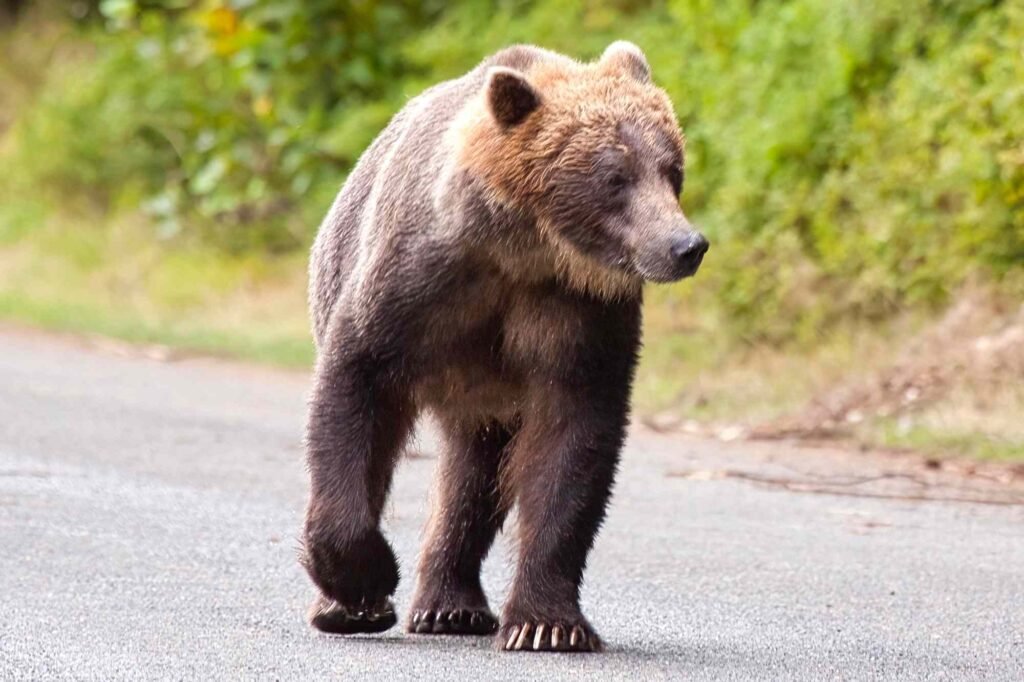

A grizzly bear dog walker encounter is the stuff of outdoor nightmares for many people who love walking their dogs in wilderness or trail areas. The idea of coming face to face with a massive grizzly bear while you have a leash in one hand and your best friend on four legs at your side can make even experienced hikers think twice before stepping outside. Yet these encounters are becoming more common as people explore natural habitats and grizzly populations expand into areas where dogs and their owners like to roam.
In this article we will explore real-life scenarios of a grizzly bear dog walker encounter, why these interactions are dangerous, the science behind bear behavior, tips for prevention and safety, and what to do if you ever find yourself unexpectedly close to a grizzly with your dog. This guide is casual but informed, drawing on wildlife biology, safety research, and practical experience so you can enjoy the outdoors without fear.
Understanding the Risk of a Grizzly Bear Dog Walker Encounter
A grizzly bear dog walker encounter is risky because dogs trigger a bear’s predatory instincts. Grizzly bears (Ursus arctos horribilis) are powerful predators with exceptional senses of smell and hearing, and they see dogs as both potential prey and threats to their territory. When a dog is present, especially off-leash, the chances of a bear reacting aggressively increase dramatically. In regions where grizzlies roam, encounters are not just possible but statistically significant for those who hike with dogs.
Dogs that bark, chase, or interact with wildlife draw attention. A grizzly bear might respond defensively to protect itself or its cubs, or it could react out of curiosity. In some unfortunate cases, dogs have suffered fatal injuries or have been taken by bears in the wild. For walkers, this means a grizzly bear dog walker encounter can escalate faster than expected and leave little time to react.
Will your dog attract a bear? It depends on many variables: the dog’s behavior, the distance to the bear, whether it is feeding or guarding cubs, and the environment itself. Knowing these factors helps you anticipate risks and avoid dangerous moments in the first place.
Bear Behavior and Why Dogs Matter
Grizzly bears are not mindless killing machines, yet the presence of dogs changes how they behave. Bears normally avoid humans but may become defensive when surprised or when their young are involved. A stray scent from a dog can travel for miles on the wind, alerting a nearby bear long before you see it. Once the bear knows a dog is there, it may approach to investigate, react with aggression, or try to drive the dog away.
When a walker experiences a grizzly bear dog walker encounter, two major instincts come into play: defense and curiosity. Defensive behavior is common when a bear feels threatened, often signaled by intense eye contact or loud grunts. Curiosity happens when a bear is simply unsure about what or who it senses nearby. Dogs that bark or move quickly can switch these instincts into overdrive, increasing the danger for both the dog and the owner.
Understanding bear body language—like huffing, jaw popping, or bluff charges—can be lifesaving. A calm, non-threatening posture from you and your dog may prevent escalation. This is why hikers in grizzly country are urged to keep dogs leashed and close at all times and to carry bear spray as a deterrent.
Real Stories of Grizzly Bear Dog Walker Encounters
Some of the most compelling lessons about grizzly behavior come from real encounters. In one documented case, a woman walking her dog on a forest trail noticed the bear before the bear noticed her. By keeping calm, speaking softly, and slowly backing away with her dog tied close, she avoided a life-threatening escalation. Her preparations, including bear spray and bear-aware training, made the difference.
In a different encounter, a man’s off-leash dog ran ahead and startled a grizzly bear feeding on berries. The bear charged the dog, injuring it and threatening the walker. Thankfully, quick application of bear spray stopped the bear at a distance, allowing both man and dog to retreat. These real-life events show that awareness, preparation, and proper tools can change the outcome of a grizzly bear dog walker encounter.
In many stories, the common thread is that dogs attract attention. Grizzly bears rarely approach humans alone, but they will respond when they hear or smell a dog. Long-term outdoor enthusiasts emphasize that predictable, calm behavior from the walker and dog reduces risks dramatically.
Preventing a Grizzly Bear Dog Walker Encounter
The best strategy is prevention. Start by knowing where grizzly bears live and what times of year they are most active. Spring and early summer bring hungry bears out of hibernation, while late summer and fall drive bears into high gear for feeding before winter. Carry bear spray, keep it accessible, and ensure you know how to use it.
Leash your dog at all times in bear country. A loose or running dog is much more likely to trigger an aggression response from a bear. Train your dog to stay close, respond immediately to commands, and avoid chasing wildlife. Never let your dog investigate scents or tracks on its own.
Plan your route and make noise as you walk. Bears avoid humans when they know they are near. Talk, clap, or use noise makers especially when visibility is low. If you spot signs of bears—such as tracks, scat, or overturned logs—turn back or choose a different path.
In areas known for grizzly activity, join walking groups rather than going alone. Groups of people and dogs are less likely to surprise bears and have more deterrence options.
What to Do During a Grizzly Bear Dog Walker Encounter
If you surprise a bear at close range with your dog, stay calm. The instinctive reaction might be panic, but sudden movements can provoke a bear. Speak softly and firmly, avoid eye contact with the bear, and slowly back away. Position your body between the bear and your dog if possible, while maintaining a non-threatening posture.
Never run or turn your back. Bears can run faster than humans, and fleeing may trigger a chase response. Keep your dog close and quiet. If the bear approaches, use your bear spray at the optimal distance (usually around 25 to 30 feet), aiming slightly downward so the spray forms a cloud into which the bear will run.
Playing dead is generally only recommended if a bear makes contact in a defensive attack, such as surprising a bear with cubs. Lie face down, protect your neck, and wait until the bear leaves. In contrast, if a grizzly appears predatory, fighting back with whatever you have—including bear spray—is advised.
Gear and Training for Safe Walks
Proper equipment and readiness matter. Bear spray is a proven deterrent that can stop a charging bear when used correctly. Keep it in an accessible holster, not in your pack. Training classes for dogs in wilderness behavior can help them understand how to act calmly on trails and respond to commands quickly.
Carry a whistle or air horn to scare bears at a distance. Wear bright clothing so you are visible. A first aid kit for both you and your dog is essential, and learning basic wilderness first aid provides an edge in emergencies.
Here is a quick comparison of key preventive gear:
| Gear Item | Purpose | How It Helps |
|---|---|---|
| Bear Spray | Deters aggressive bears | Creates a barrier that stops or slows a charging bear |
| Leash and Harness | Keeps dog close and under control | Prevents dog from running ahead and triggering an encounter |
| Whistle/Air Horn | Alerts bears early | Can scare bears away before closer contact |
| First Aid Kit | Manages injuries | Provides immediate care for minor injuries |
| Training Collar | Improves dog responsiveness | Helps keep dog calm and following commands |
Quotes on Preparedness and Respect for Nature
A professional wildlife biologist once said, “Preparation is your best defense. Know the land, know the wildlife, and respect the space where both dogs and bears roam.”
An experienced dog walker shared, “Nothing replaces good habits. My dog stays leashed, stays calm, and knows the trails we walk like I do. That has prevented more than one close call with wildlife.”
These words remind us that responsible behavior, respect for nature, and smart preparation are the keys to avoiding a dangerous grizzly bear dog walker encounter.
Conclusion
A grizzly bear dog walker encounter is a serious situation that no one wants to experience, yet understanding how and why these encounters happen gives you power to avoid them. You cannot control where bears live, but you can control how you walk with your dog, what gear you carry, and how aware you stay.
Walk with awareness, respect wild animals, and prepare for the unexpected. By keeping dogs on leash, making noise, carrying deterrents like bear spray, and recognizing signs of wildlife activity, you greatly reduce your risk. If you do find yourself in an encounter, calm, informed action can keep both you and your dog safe.
Frequently Asked Questions
What should I do if I have a grizzly bear dog walker encounter on a trail?
Stay calm, leash your dog, speak softly, and slowly back away. Avoid sudden movements or loud yelling, which can escalate the situation. If the bear approaches, use your bear spray at the proper range (about 25 to 30 feet) and keep your dog close.
Can my dog attract a grizzly bear during a grizzly bear dog walker encounter?
Yes. Dogs can draw attention because bears perceive them as threats or prey. Keeping your dog leashed and training it to remain calm on trails helps minimize this risk.
Is bear spray effective in a grizzly bear dog walker encounter?
Yes. Bear spray is one of the most effective tools for deterring charging bears. Learn how to use it before your hike and keep it easily accessible, not buried in a backpack.
Should I let my dog off-leash to avoid a grizzly bear dog walker encounter?
No. An off-leash dog is harder to control and more likely to provoke a bear. Keep your dog leashed, calm, and close to you at all times.
Where are grizzly bear dog walker encounters most common?
These encounters are most frequent in regions with grizzly populations such as parts of North America’s mountain ranges and wilderness areas. Research local wildlife advisories before walking dogs in natural settings.